Anemia in Livestock: A Hidden Threat to Productivity, Health & Farm Profitability
By Dr Muhammad Adil
Technical Commercial Officer, Livestock Qaswa DMG Pharmaceutical, Rawalpindi, Pakistan
Introduction
Anemia is a significant hematological disorder in livestock, characterized by a reduction in red blood cell (RBC) count, hemoglobin concentration or packed cell volume (PCV). Anemia is not a disease itself but a clinical condition resulting from various underlying causes. In dairy animals, anemia leads to reduced productivity, poor growth, reproductive inefficiency and increased susceptibility to diseases.
Etiology of Anemia in Livestock
Anemia in ruminants and other farm animals can arise from multiple causes, broadly categorized as:
1. Parasitic Infestations
Internal parasites such as gastrointestinal worms (e.g., Haemonchus, liver flukes) and external parasites (ticks, lice) are major contributors. Blood-sucking parasites directly reduce circulating blood volume and iron levels, leading to chronic anemia.
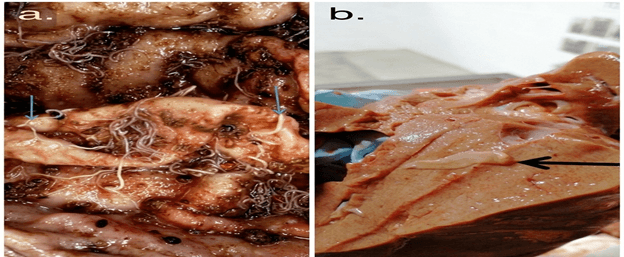
Fig 1: Postmortem of a ruminant showing stomach worms and liver flukes causing anemia
2. Nutritional Deficiencies
Optimal nutrition (vitamins & minerals) plays a fundamental role in maintaining normal hematopoiesis and overall physiological function in livestock. A balanced supply of essential nutrients is critical for efficient red blood cell production and oxygen transport. Deficiencies of essential nutrients required for erythropoiesis include:
- Iron
- Copper
- Cobalt
- Vitamin B12
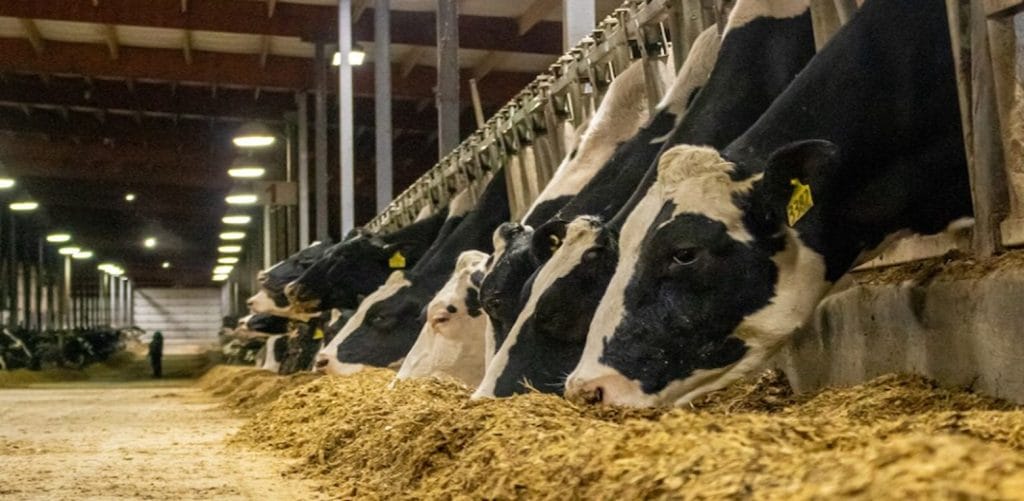
Fig 2: Poor-quality feed or imbalanced rations are primary risk factors, particularly in farming systems
3. Infectious Diseases
Infectious diseases contribute to anemia through mechanisms such as hemolysis, bone marrow suppression, and chronic inflammation that reduces erythropoiesis. Many pathogens also cause blood loss or increased destruction of red blood cells, leading to decreased oxygen-carrying capacity in affected animals. Several infectious agents contribute to anemia:
- Blood parasites (e.g., Babesia, Theileria, Anaplasma)
- Chronic bacterial or viral infections
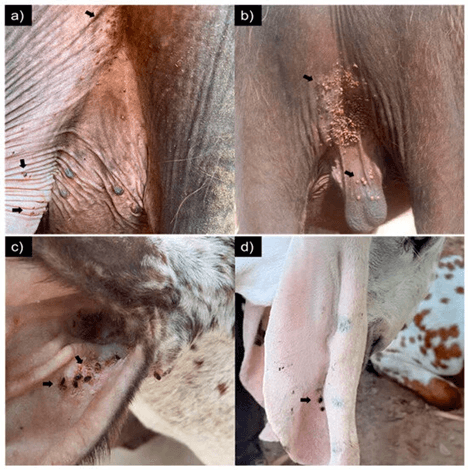
Fig 3: Tick infestation on the insides of the hindquarters of young buffaloes, heifer& on the ear of goats
4. Blood Loss
Acute or chronic hemorrhage due to trauma, surgery, parturition complications or parasitic damage to the gastrointestinal tract can result in significant anemia.
5. Toxic and Metabolic Disorders
Exposure to toxins, plant poisons or metabolic imbalances can impair RBC production or increase destruction.
Pathophysiology
Anemia develops when the rate of RBC destruction exceeds production or when RBC synthesis is impaired. Reduced hemoglobin levels compromise oxygen delivery to tissues, leading to hypoxia. This results in decreased metabolic efficiency, poor immune response and reduced production performance.
Clinical Signs
Common clinical manifestations observed in anemic livestock include:
- Pale mucous membranes (conjunctiva, gums)
- Weakness and lethargy
- Reduced feed intake
- Decreased milk production
- Weight loss and poor body condition
- Increased heart and respiratory rate
Subclinical anemia may not show obvious signs but still negatively affects productivity.
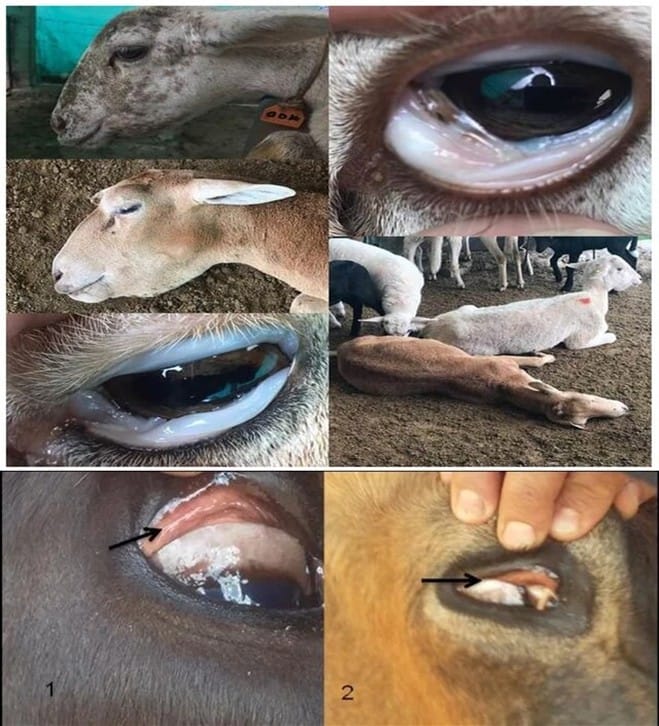
Fig 4: Pale mucus membranes of small & large ruminants
Diagnosis
Early and precise diagnosis in livestock is critical to determine the primary cause of anemia, whether parasitic, infectious, nutritional or hemorrhagic, allowing appropriate targeted therapy. Accurate diagnosis requires both clinical and laboratory evaluation:
1. Physical Examination
Observation of mucous membrane color, body condition, history and parasite burden.
2. Laboratory Tests
- Hemoglobin concentration
- Packed Cell Volume (PCV)
- Total erythrocyte count
- Blood smear examination for hemoparasites
3. Fecal Examination
Detection of gastrointestinal parasite eggs to confirm parasitic causes.
Economic Impact
Anemia in livestock has a substantial economic impact due to its direct effect on productivity and animal performance. Anemia imposes a financial burden through increased morbidity, treatment expenses and reduced herd efficiency. Anemia significantly affects farm profitability by:
- Reducing milk yield in dairy animals
- Delayed growth in young stock and heifers
- Impaired reproductive efficiency and leading to silent estrus, repeat breeders, abortion and sperm quantity and quality
- Increasing therapeutic and management expenditures
Chronic anemia can lead to long-term production losses and higher mortality rates.
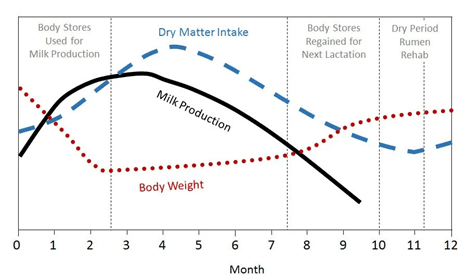
Fig 5: Changes in body weight, dry matter intake & milk production over a single lactation
Treatment Strategies
1. Etiological Treatment
- Anthelmintics for internal parasites (e.g., dewormers)
- Acaricides and injectable anthelmintics for external parasites (e.g., avermectins)
- Specific therapy for blood parasites (e.g., antiprotozoal drugs)
2. Nutritional Support
- Iron supplementation
- Mineral mixtures containing copper, cobalt, zinc, calcium, phosphorus, magnesium and dietary cation-anion difference (DCAD)
- Water soluble vitamins (vitamin B-complex & C) and fat soluble vitamins (ADEK)
3. Supportive Therapy
- Blood transfusion in severe cases
- Fluid therapy to stabilize animals
- High-quality feed to improve recovery
Prevention and Control
1. Parasite Control Programs
- Regular deworming schedules
- Tick and fly control measures
- Pasture management to reduce parasite load
2. Balanced Nutrition
- Provision of mineral mixtures and quality fodder
- Ensuring adequate micronutrient intake
3. Farm Management Practices
- Maintaining hygiene and sanitation
- Reducing stress and overcrowding
- Routine health monitoring
Conclusion
Anemia in livestock is a multifactorial condition with significant implications for animal health and farm productivity. Early diagnosis, targeted treatment and preventive management are essential to minimize losses. Veterinarians and farmers must collaborate under the One Health approach to ensure healthy livestock, thereby safeguarding the safety and quality of milk and meat intended for human consumption.