Effects of Heat Stress on Dairy Cattle: Physiological Impacts and Evidence-Based Mitigation Strategies
Dr Muhammad Adil*
Technical Commercial Officer, Livestock Qaswa DMG Pharmaceutical, Rawalpindi, Pakistan
Abstract
Heat Stress in Dairy Cattle is a major environmental challenge affecting dairy cattle, particularly in tropical and subtropical regions. It arises when the animal’s capacity to dissipate heat is exceeded by internal and external heat load, leading to disruption of physiological homeostasis. This blog synthesizes current evidence on the effects of heat stress on dairy cattle, including physiological, metabolic, productive, reproductive and immunological responses. The Temperature Humidity Index (THI) remains the most widely used indicator, with adverse effects typically observed beyond critical thresholds. Heat stress reduces feed intake, milk yield, reproductive efficiency and immune competence while increasing maintenance energy requirements. Evidence-based mitigation strategies, including environmental modification, nutritional interventions and management practices, are discussed. The integration of these approaches is essential to sustain productivity and animal welfare under increasing climatic challenges.
1. Introduction
Heat stress is defined as a condition in which an animal fails to maintain thermal equilibrium due to excessive heat load relative to its dissipative capacity. Dairy cattle, especially high-yielding and exotic breeds, are particularly vulnerable due to elevated metabolic heat production associated with lactation.
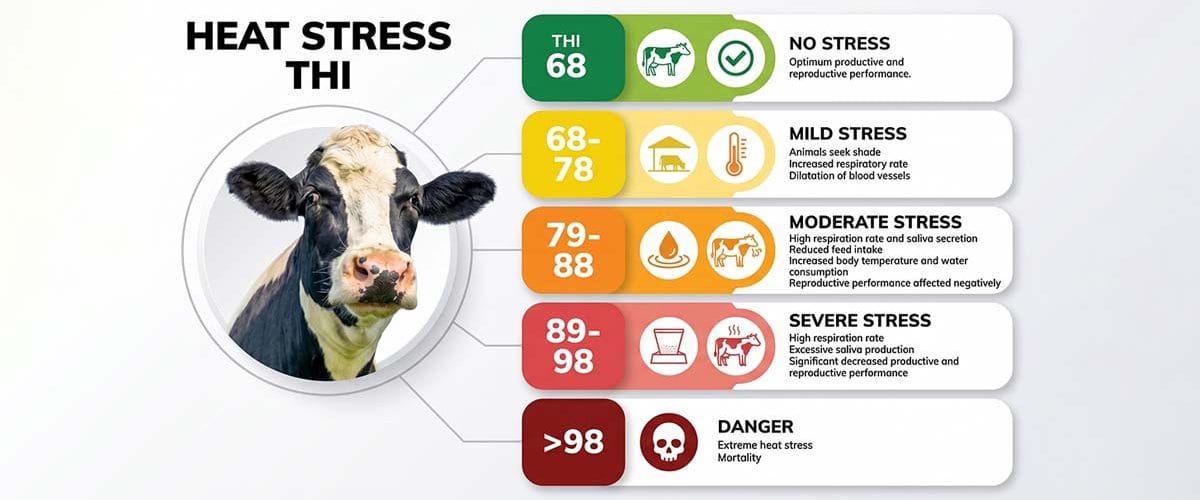
The thermoneutral zone for dairy cattle typically ranges between 5°C and 25°C, within which metabolic energy is efficiently utilized for production. Outside this range, animals experience physiological strain that negatively affects productivity and welfare. The Temperature Humidity Index (THI) is widely used to quantify environmental stress and evaluate heat load on animals.
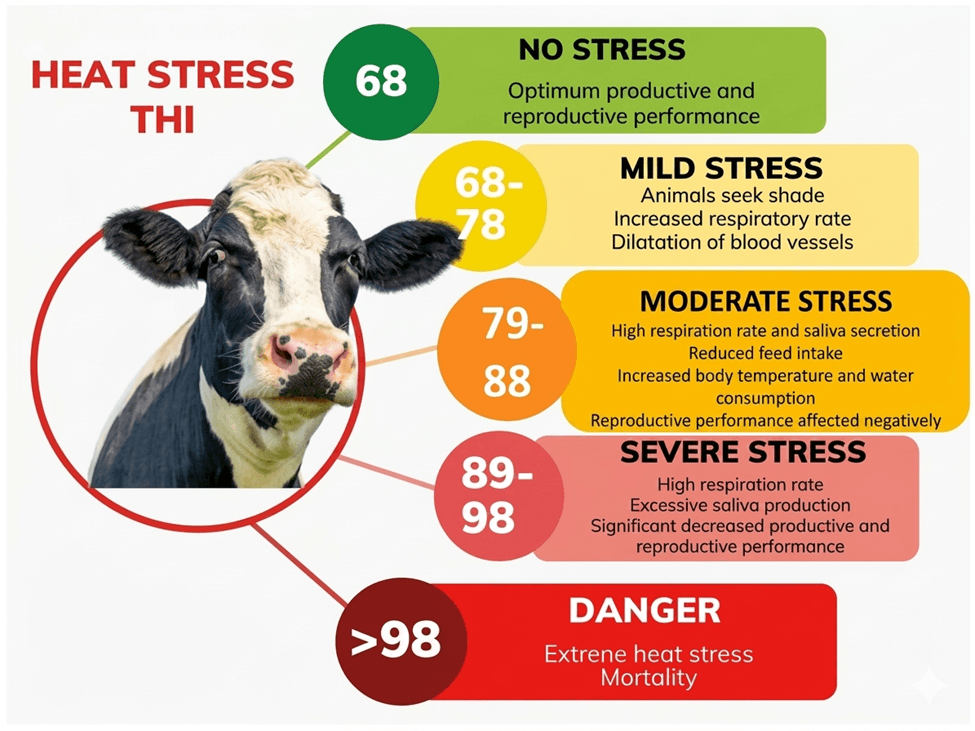
Fig 1: Showing THI scale and stress zones (Normal, Mild, Moderate, Severe Heat Stress)
2. Physiological and Metabolic Responses to Heat Stress
Heat stress induces multiple physiological adaptations aimed at maintaining thermal balance. These include increased respiration rate, elevated body temperature and altered endocrine function. Panting serves as a primary evaporative cooling mechanism but may lead to acid–base imbalance due to excessive carbon dioxide loss.
Hormonal changes include alterations in cortisol, prolactin, insulin and growth hormone levels, which collectively influence metabolism and production. Additionally, reduced rumination time and feed intake are commonly observed, leading to impaired nutrient digestion and absorption.
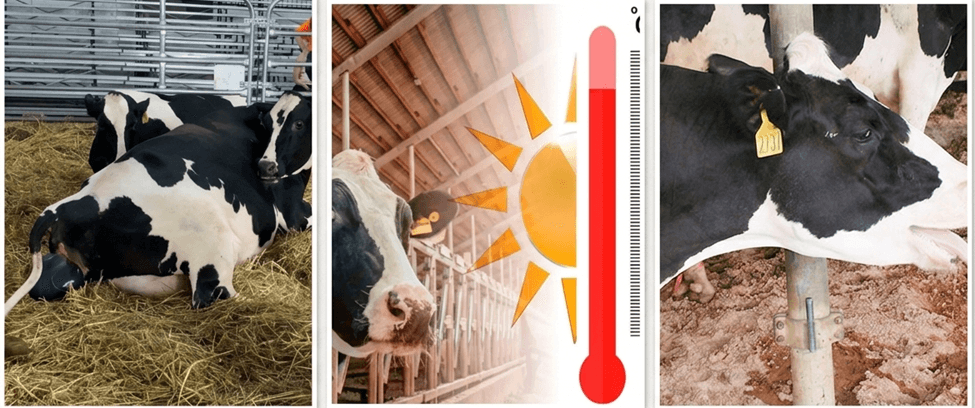
Fig 2: Illustration of physiological responses (panting, sweating, hormonal changes)
3. Effects on Feed Intake and Nutritional Status
One of the earliest responses to heat stress is a reduction in dry matter intake. Elevated environmental temperatures increase body heat load, prompting animals to reduce feed consumption to minimize metabolic heat production.
This reduction leads to decreased availability of energy and protein for milk synthesis, resulting in negative energy balance and body weight loss. Furthermore, maintenance energy requirements increase under heat stress conditions, further limiting productive efficiency.
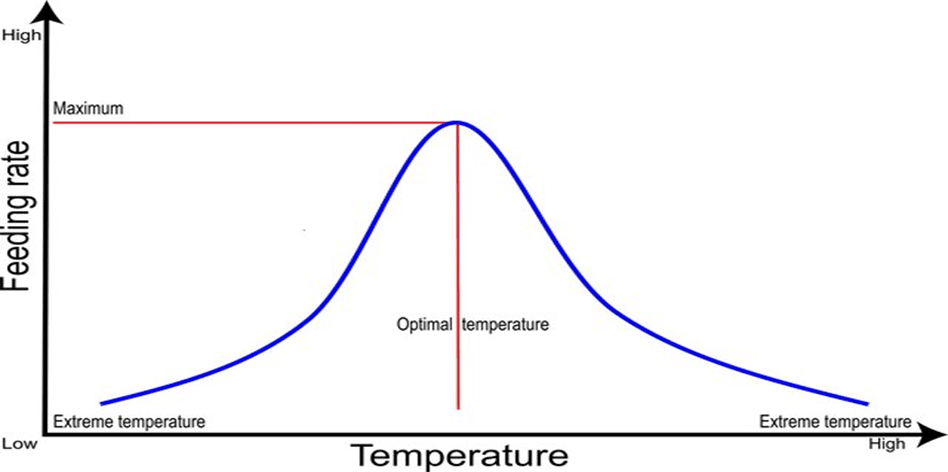
Fig 3: Showing relationship between temperature and feed intake decline
4. Impact on Milk Production and Composition
Heat stress significantly reduces milk yield and alters milk composition. The decline in milk production is primarily attributed to reduced feed intake and increased maintenance energy demands.
Milk quality is also affected, with reductions in fat, protein and solids-not-fat content. High-producing cows are more susceptible due to their higher metabolic heat load, resulting in greater production losses.
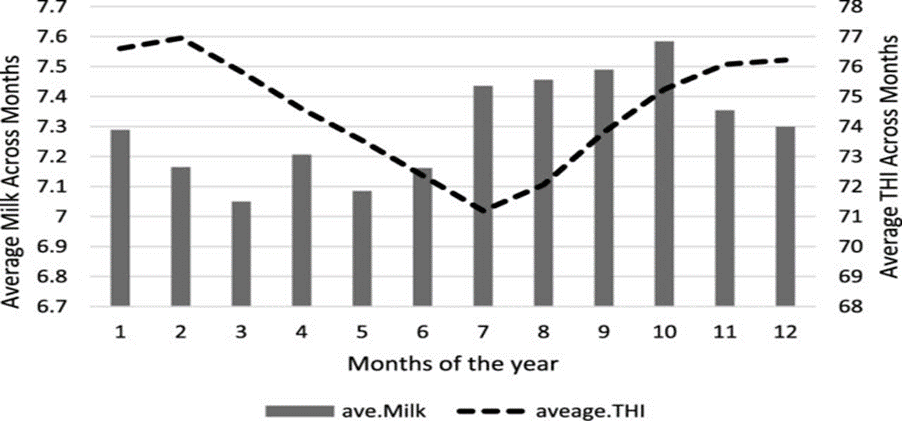
Fig 4: Showing decline in milk yield across the year vs THI
5. Reproductive Performance and Fertility
Reproductive efficiency is highly sensitive to heat stress. Elevated temperatures disrupt endocrine function, leading to impaired follicular development, reduced estrus expression and decreased conception rates.
Heat stress shortens estrus duration and shifts its occurrence to cooler periods, complicating detection and breeding management. At the cellular level, it negatively affects oocyte quality and embryo survival, contributing to increased embryonic mortality and prolonged service periods.
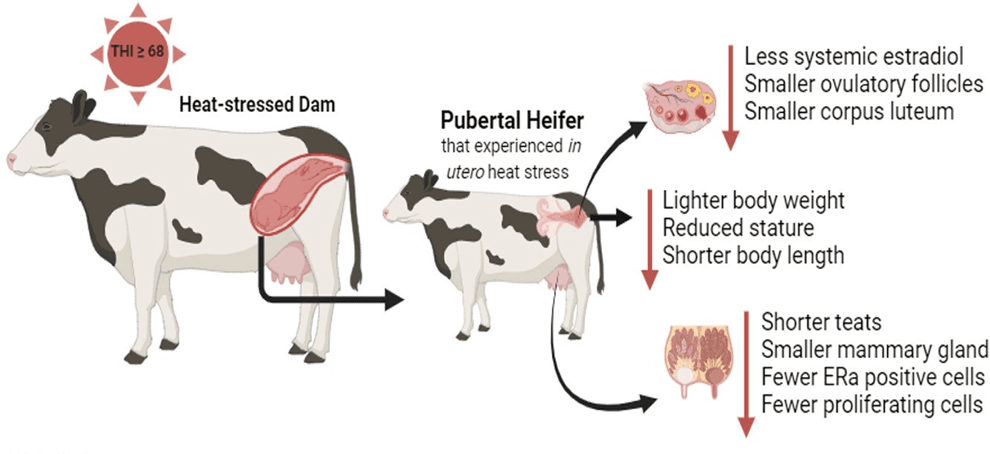
Fig 5: Showing effect of heat stress on reproductive efficiency of dam and its consequences
6. Immune Function and Health Implications
Heat stress impairs immune function, increasing susceptibility to diseases. Reduced antioxidant activity and altered metabolic profiles contribute to oxidative stress and compromised immunity.
Changes in blood metabolites, enzyme activity and hormonal balance weaken the animal’s defense mechanisms, leading to increased incidence of infections and reduced overall health status.
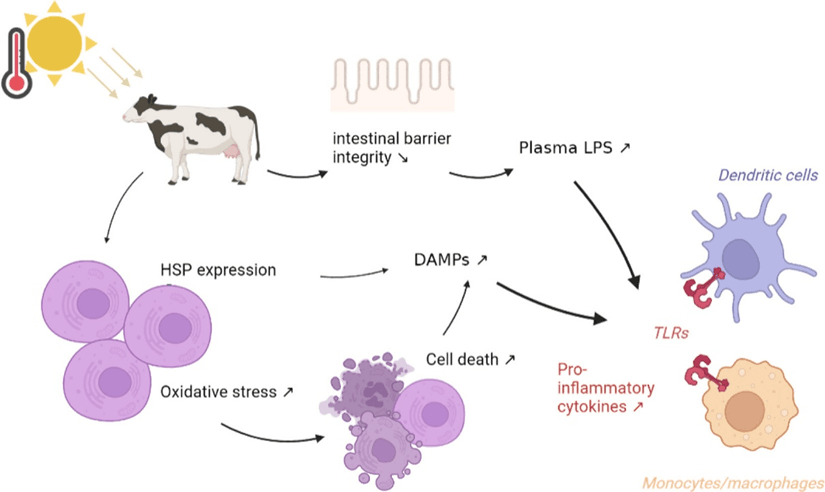
Fig 6: Showing heat stress-induced inflammatory cascade in cattle: intestinal barrier failure and oxidative cell death trigger systemic inflammation
7. Behavioral Adaptations
Behavioral responses are among the earliest indicators of heat stress. Affected animals exhibit reduced feed intake, increased water consumption and altered activity patterns.
Cows tend to spend more time standing and less time lying, as standing facilitates heat dissipation. Rumination time decreases significantly with increasing heat load, reflecting reduced digestive activity and metabolic adjustment.
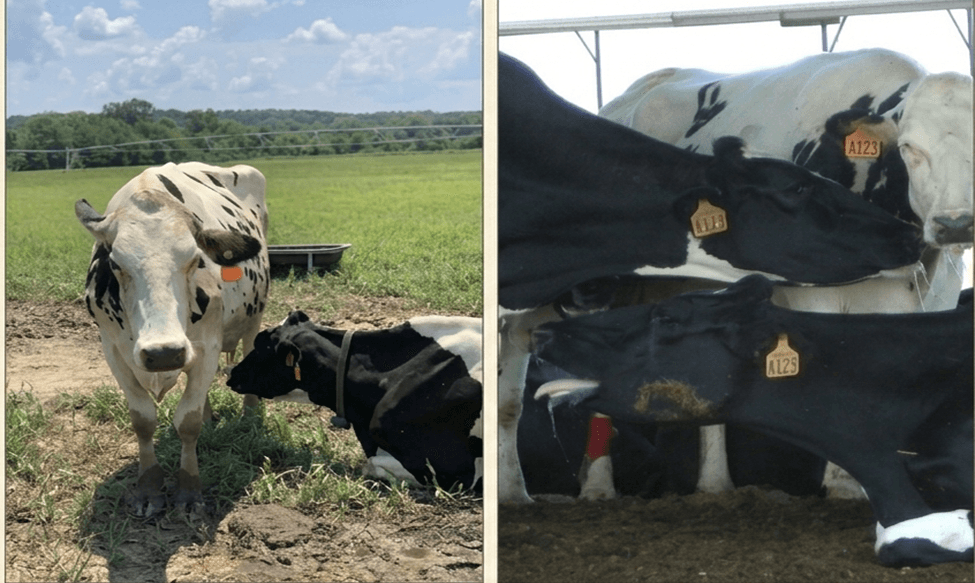
Fig 7: Heat stress and uncomfortable behavior of dairy cattle
8. Management Strategies for Heat Stress Mitigation
8.1 Environmental Modification
Cooling systems such as fans and misting devices enhance evaporative heat loss and reduce body temperature. Shade provision, particularly through natural vegetation, effectively minimizes solar radiation exposure. Proper housing design and orientation further reduce heat load.
Night grazing is an effective strategy to avoid peak daytime temperatures and reduce thermal stress.
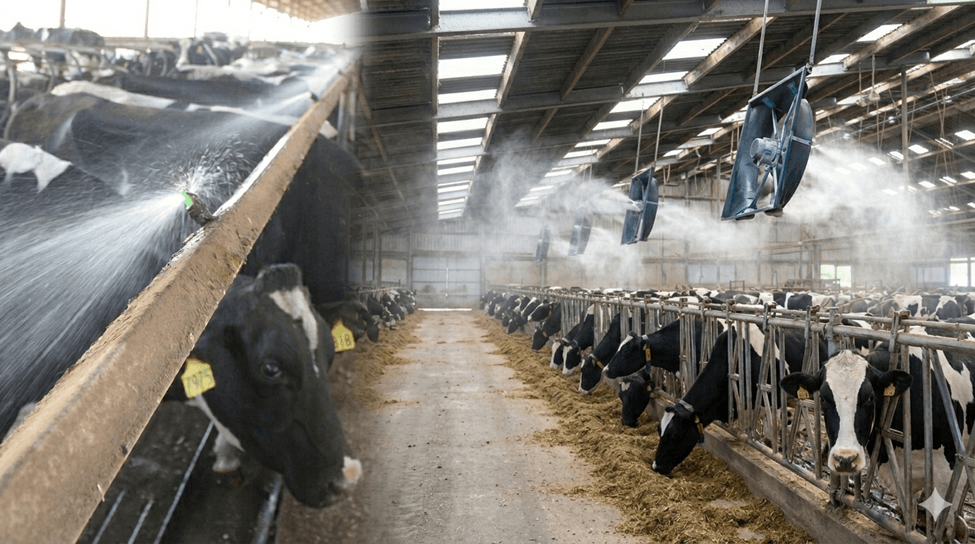
Fig 8: Showing dairy farm with fans, sprinklers and shaded housing
8.2 Nutritional Interventions
Nutritional strategies focus on reducing metabolic heat production while maintaining energy supply. Supplementation with bypass fat increases energy density without increasing heat increment.
Additives such as yeast cultures improve rumen function and nutrient utilization, while propylene glycol enhances glucose availability. Excess dietary protein should be avoided due to its high heat increment.
8.3 Mineral and Antioxidant Supplementation
Heat stress increases oxidative stress, necessitating supplementation with antioxidants such as vitamin E, selenium and β-carotene. Sodium bicarbonate helps maintain rumen pH, while niacin and chromium support metabolic adaptation.
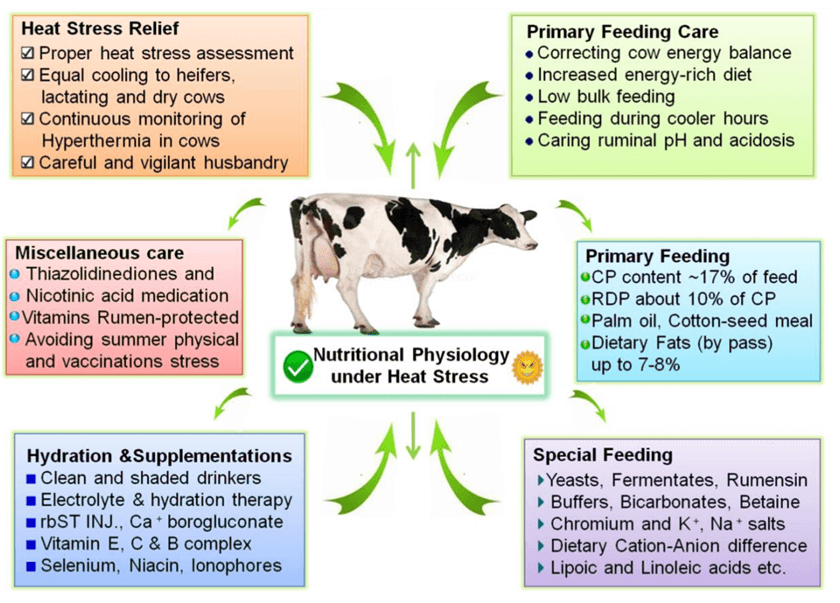
Fig 9: Chart showing dietary modifications during heat stress
8.4 Water Management
Adequate access to clean and cool water is essential for maintaining hydration, thermoregulation and milk production under heat stress conditions.
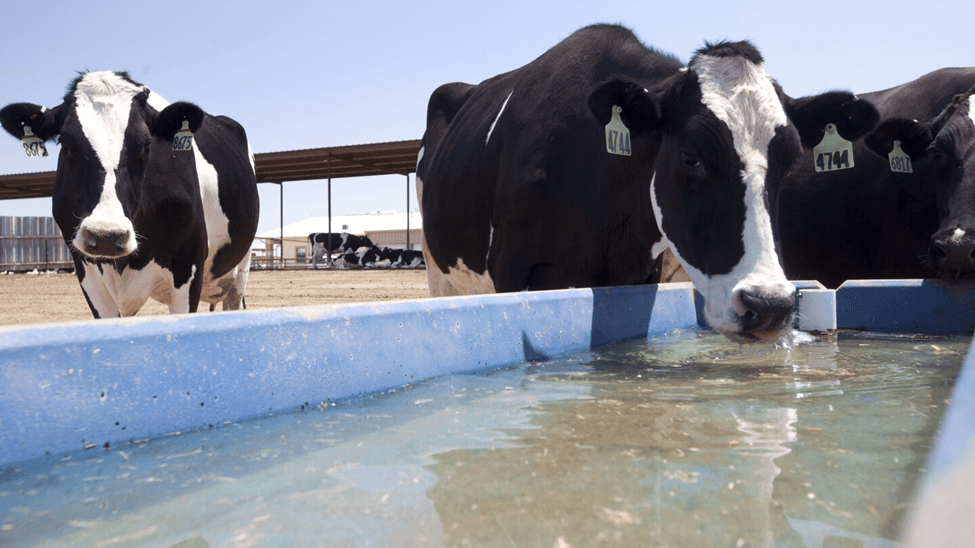
Fig 10: Dairy cows drinking clean water with minerals and antioxidants supplementation
9. Conclusion
Heat stress is a multifaceted challenge that adversely affects dairy cattle by impairing physiological, metabolic, reproductive and immune functions. The resulting decline in productivity and animal welfare necessitates the implementation of comprehensive management strategies. Environmental cooling, nutritional optimization and proper management practices are essential to mitigate the effects of heat stress. With increasing climatic variability, the adoption of advanced monitoring systems and precision livestock technologies will play a crucial role in sustainable dairy production.